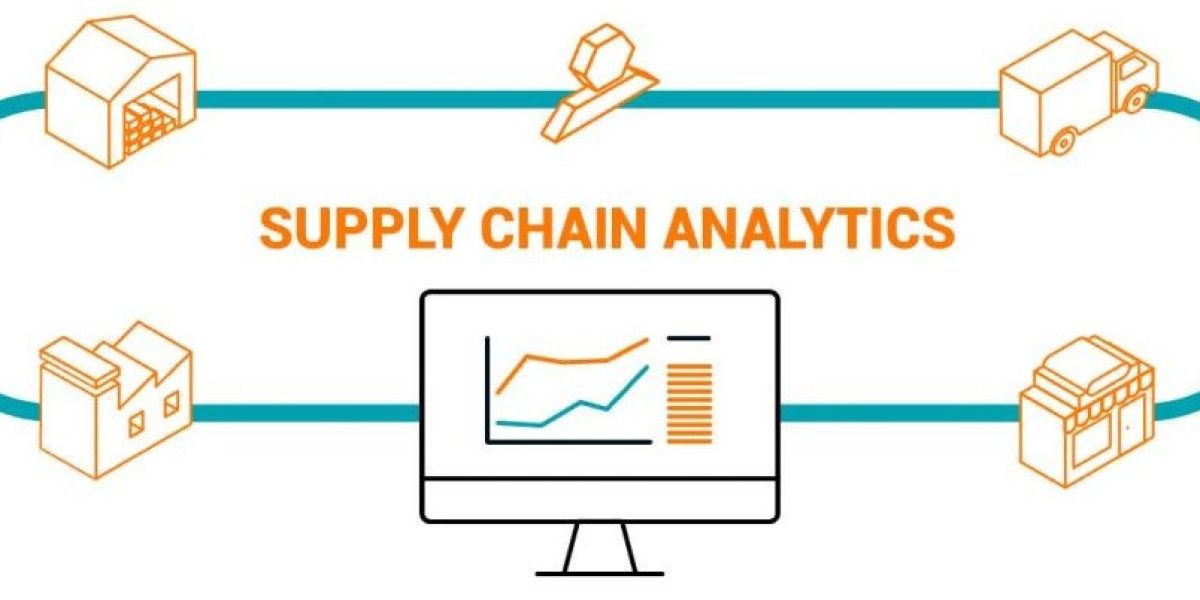

The global Supply Chain Analytics Market is a dynamic and rapidly expanding sector that provides the essential intelligence layer for modern commerce. This market encompasses a broad ecosystem of software platforms, cloud services, and expert consultants, all dedicated to helping organizations harness their supply chain data. As businesses grapple with increasing complexity, rising customer expectations, and unprecedented volatility, the need for powerful analytical tools to provide visibility and insight has become paramount. This intense demand is creating a high-growth environment, with the Supply Chain Analytics Market projected to grow to USD 25.33 Billion by 2035, exhibiting a compound annual growth rate (CAGR) of 14.93% from 2025 to 2035, underscoring its critical importance to the global economy.
The market can be segmented by its primary components, each playing a vital role. The software solutions segment is the largest, comprising a wide range of platforms that address different aspects of the supply chain. This includes tools for demand planning, inventory optimization, logistics and transportation management, and supplier risk assessment. These solutions are increasingly powered by artificial intelligence and machine learning. The services component is also a crucial and fast-growing part of the market. This includes consulting services to help companies design their analytics strategy, systems integration services to connect disparate data sources, and managed services where a third-party expert manages the analytics platform on behalf of the client, providing ongoing insights and support.
Another key segmentation is by deployment model, which offers organizations flexibility based on their IT strategy and security needs. The on-premises model, where the analytics software is hosted on a company's own servers, is still used by large enterprises with significant existing infrastructure and strict data governance policies. However, the cloud-based deployment model has become dominant. Cloud solutions, offered as Software-as-a-Service (SaaS), provide greater scalability, faster implementation, and a more predictable, subscription-based cost structure. This has democratized access to sophisticated supply chain analytics, allowing small and medium-sized enterprises (SMEs) to leverage the same powerful tools as their larger competitors without a massive upfront capital investment.
The end-user industries driving the market are diverse, highlighting the universal need for supply chain visibility. The retail and e-commerce sector is a leading adopter, using analytics to forecast demand, manage inventory across multiple channels, and optimize last-mile delivery. The manufacturing industry relies heavily on these solutions for production planning, procurement optimization, and predictive maintenance of its supply chain assets. The healthcare and pharmaceutical sector uses analytics to manage the complex and temperature-sensitive "cold chain" for drugs and vaccines. In every industry, supply chain analytics is moving from a niche tool to a mission-critical platform for ensuring efficiency, resilience, and customer satisfaction.
Explore Our Latest Trending Reports:
Attack Simulation Proactive Market Size