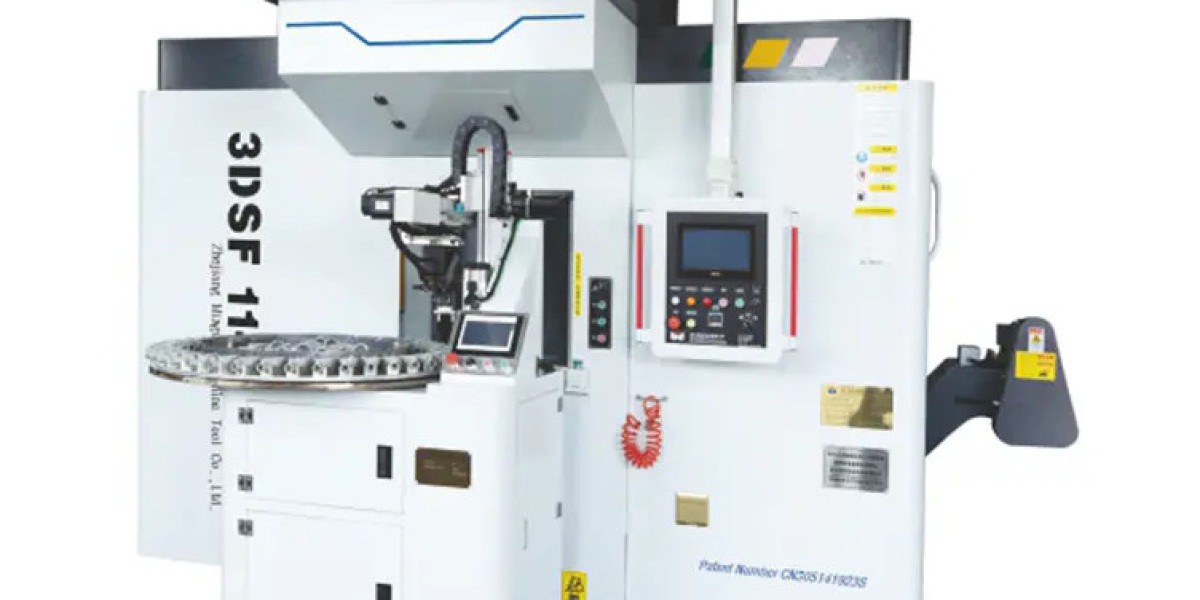

In a world of rapid technological change, investing in manufacturing equipment requires confidence in both its longevity and its adaptability. At Rotary Transfer Machine Hydraulic, we build our flagship machines with this very future in mind. Our Hydraulic Rotary Transfer Machines represent a timeless synergy of proven reliability and forward-looking adaptability, ensuring your production remains agile for decades.
The foundation is unshakeable reliability. Hydraulic power transmission is a time-tested technology, celebrated for its ability to deliver high torque and force at low speeds with exceptional stability. Our machines are over-engineered with premium components to withstand the rigors of continuous production. This results in a mean time between failures (MTBF) that sets industry benchmarks, giving you the peace of mind for uninterrupted production schedules.
Adaptability is engineered into our DNA. While hydraulics provide the muscle, our control systems incorporate modern PLCs and HMI interfaces, allowing for seamless integration into Industry 4.0 smart factories. Connectivity for data monitoring, predictive maintenance alerts, and production analytics is readily available. The modular workstation concept means your machine is not obsolete with a product change; it can be reconfigured, retooled, and repurposed for new part families, protecting your capital investment.
From legacy components to next-generation designs, our machines evolve with your business. We provide lifelong support, from comprehensive training to spare parts and reconfiguration services.
Don’t just buy a machine for today; invest in a production partner for tomorrow. Secure your manufacturing future with the enduring strength and smart adaptability of Rotary Transfer Machine Hydraulic.