
In Path of Exile 2, a game renowned for its intricate crafting system, the Architect's Orb stands out as a unique and powerful currency item. This orb offers players a chance to take their crafting to POE 2 Currency the next level, pushing the boundaries of corruption mechanics in a way never seen before. But with great power comes great risk—this orb can either enhance an already corrupted item or destroy it entirely.
What is the Architect's Orb?
The Architect's Orb is a special currency item that targets already-corrupted items. When used, it has the potential to double-corrupt an item, adding a second corruption modifier to the item’s attributes. However, as much as it promises powerful potential, the orb’s effect comes with uncertainty. The outcome of using the Architect's Orb is a 50/50 chance: it could either successfully add a new corruption enchantment, enhancing the item further, or it could destroy the item entirely. This dual possibility creates an intriguing dynamic where players must carefully weigh the risk of using the orb.
A critical aspect of the Architect's Orb is its ability to corrupt items that have already undergone the corruption process. Typically, an item can only be corrupted once, meaning it can gain a single, fixed enchantment or modifier. However, using the Architect's Orb gives a chance to stack additional power—essentially allowing an item to become Twice-Corrupted. The second corruption could bring an entirely new layer of potential, such as an additional enchantment that could drastically improve the item’s effectiveness or value.
How the Architect's Orb Works
The mechanics behind the Architect's Orb are simple but impactful. After applying the orb to an already corrupted item, the player is faced with a 50% chance of either one of two outcomes:
Success – The item becomes Twice-Corrupted, gaining an additional corruption modifier.
Failure – The item is destroyed, losing any previous corruption and the item itself.
This randomness adds a level of tension and excitement to the crafting process, where every decision feels like it could result in a fantastic upgrade—or a catastrophic loss.
Acquisition of the Architect's Orb
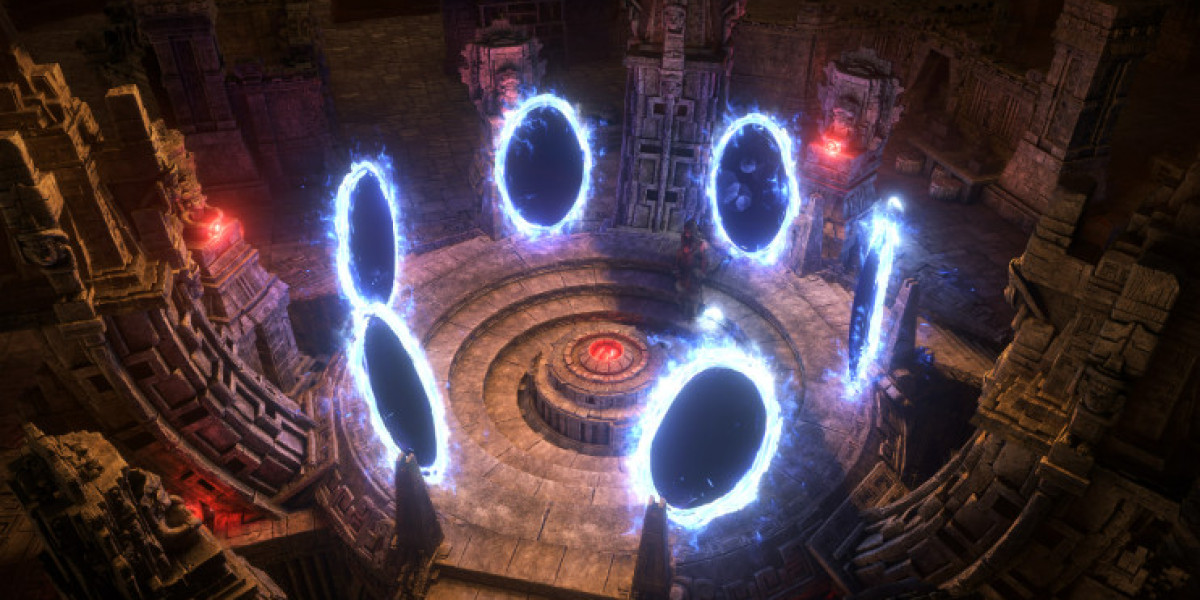
The Architect's Orb is not an item that can be easily farmed or acquired through regular means. It has restrictions on how and where it can drop, making it a rare commodity. Players can obtain the Architect's Orb by substituting it for the crafting bench in a specific room known as the Tier 3 Corruption Chamber located within Atziri's Temple. This location is part of the game’s complex endgame content and is specifically designed for players who are looking to push their gear to the limit.
The Locus of Corruption within Atziri's Temple provides the perfect environment for obtaining the Architect's Orb. By using it in place of the crafting bench, players gain the chance to manipulate their already-corrupted items in a way that goes beyond traditional crafting. However, as is the case with most high-risk, high-reward mechanics in Path of Exile 2, acquiring the orb is not a simple task—it requires players to engage with some of the game's more difficult and rewarding endgame content.
Conclusion
The Architect's Orb in Path of Exile 2 is an exciting tool for players who wish to take their crafting to unprecedented heights. By offering the cheap POE 2 Orbs possibility of Twice-Corrupting an item, it opens up new avenues for item modification, while the risk of destruction keeps players on edge. The orb’s rarity and acquisition method ensure it remains a coveted item, tied to some of the game's most challenging content. For those brave enough to embrace the gamble, the Architect's Orb is a powerful tool that can reshape the value of an item—or erase it entirely.