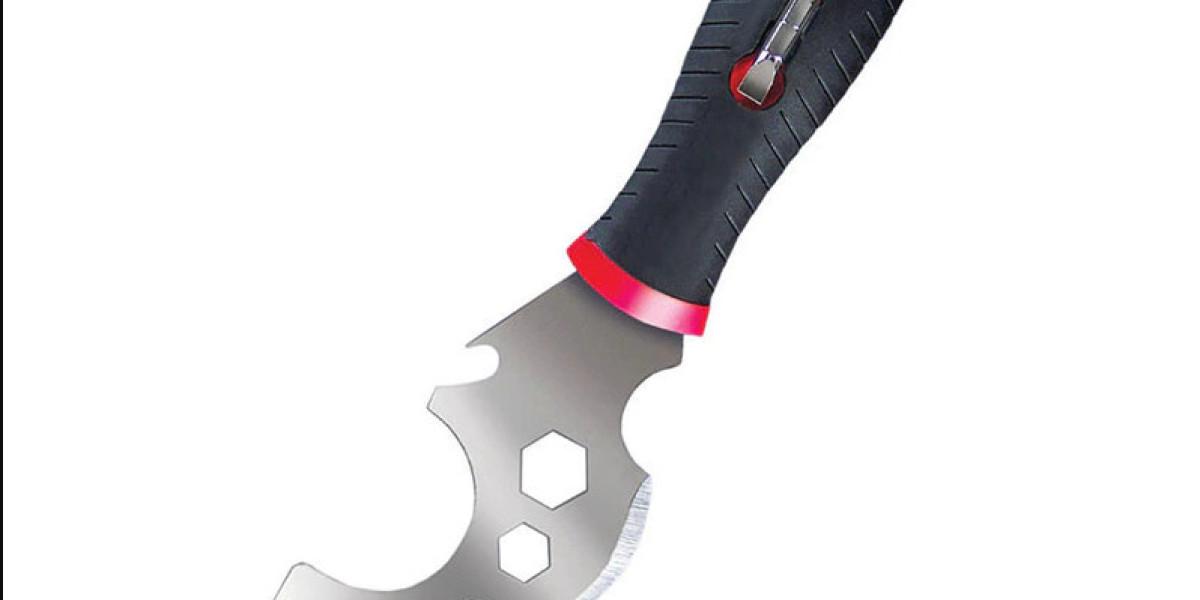

A Putty Knife is a versatile and essential tool for renovation, repair, and finishing tasks. Flexible blades allow even spreading of spackle, joint compound, or wood filler in cracks, holes, and dents, while stiffer blades efficiently remove old paint, hardened caulk, or adhesive residues. Choosing the right blade type and width ensures precision and smooth surface finishes.
Blade material matters. Stainless steel provides corrosion resistance and easy cleaning, whereas carbon steel offers rigidity and sharpness but requires more maintenance. Narrow blades are ideal for small patches and corners, while wider blades cover large areas quickly. Proper cleaning and drying after each use prolong tool life and maintain performance.
Technique is crucial. Slight overfilling followed by flattening at a near-flat angle and then a second pass at a shallower angle creates smooth surfaces, reducing sanding later. Professionals and DIY enthusiasts often keep both flexible and stiff Putty Knives to handle diverse tasks.
Ultimately, a well-maintained Putty Knife delivers reliable performance for interior repair, furniture restoration, or drywall finishing. Correct blade selection, careful handling, and routine maintenance make it a practical, long-lasting tool for various renovation projects.