
If you’ve ever compared construction equipment rental rates between two cities, you may have wondered how the very same machine, same model, same year, same specs, can cost up to 40% more in one location. It is initially confusing, but the reality is that rental costs are not arbitrary. Regional demand, local project types, population growth, operational costs, and transportation challenges collectively shape it. As soon as you comprehend the latent causes of these price changes, the rental market begins to make a lot more sense.
How Population Growth Drives Local Equipment Demand
The boom of construction is usually observed in cities with rapid population growth. An increase in population would lead to increased housing, commercial areas, roads, and other public infrastructure that would all need heavy machinery. That augmented demand has a direct effect on the pricing of the construction equipment rental market.
The fast growth of the population enhances building licenses.
Local contractors are competing for the availability of a limited fleet.
The increased use of machines translates to increased pricing in the fast-growing regions.
Cities such as Austin, Charlotte, and Phoenix tend to have higher rent rates due to the fact that the demand has always exceeded the supply.
Project Types That Shape Equipment Demand in Each City
Cities do not develop in the same way or for the same purposes. Some regions focus more on large-scale earthmoving, while others prioritize vertical construction, manufacturing facilities, or transportation infrastructure. These project trends determine the high-demand machines.
Cities that have current highways or heavy earthmoving activities increase the demand for dozers, graders, and huge excavators.
Port and industrial cities may require additional cranes, telehandlers, and material handlers.
The high use of compact machines such as skid steers and mini excavators is driven by the urban renovation areas.
When a city has a long queue of infrastructure projects, the fleets delivering those categories of machines will be busy, and the rental prices will increase.
Fleet Scarcity: When There Simply Aren’t Enough Machines
Even the biggest rental companies are not able to install unlimited equipment in all markets. This is among the largest causes why the same model may cost a lot more in an adjacent city.
Local fleet availability is temporarily wiped out by regional disasters like storms or floods.
Climatic stresses on fleets vary with seasons (summer construction or winter utility work).
The rental yards usually give priority to the long-term clients, and this may increase the spot-rental prices to others.
It is normal after hurricanes, wildfires, or large storm seasons to find all available excavators or telehandlers rented out several months in a row, which causes a spike in local prices.
The Impact of Transport Logistics and Distance
A rental does not just come out of thin air at the jobsite. Buyers must transport the machine, and transport plays a surprisingly important role in regional pricing variations.
The cost of hauling depends on the distance, regulations, and the cost of fuel.
Cities that are remote or are at elevated locations need additional transport time and perhaps escort cars.
The availability of trucking fleets may also affect the ultimate rental rate.
In certain places, transporting a machine from one city to another is cheap and simple. To others, such as mountain towns, remote oil and gas areas, or islands, the logistics are costly and complicated. The increased cost of delivery is included in the cost of renting construction equipment.
Labor Rates and Local Operating Costs
Rental companies will have to consider the cost of doing business in every city. In other markets, the wages of mechanics, drivers, and technicians are much higher. Others are more costly in terms of real estate, insurance, or have more stringent safety requirements.
Naturally, cities such as San Francisco, Seattle, or New York have higher rental prices since the overhead costs of these cities are extremely high. Even the field repair and service calls have varying prices depending on the region.
Market Competition (or Lack of It) Between Rental Providers
One of the easiest predictors of rental pricing is competition. Rates in a city that has eight powerful rental providers are usually competitive. In the meantime, a city with only two or three companies, particularly of certain types of machines, leaves less choice to the renters.
In small or remote markets, the prices are higher just because the rental companies are not competing with each other.
Regulatory and Environmental Rules That Shape Pricing
Every city has its own rules. Others demand Tier 4 Final fleets, low-emission engines, or severe noise-control restrictions. Others demand a lot of inspections or special permits. These demands raise the cost of maintaining and operating a rental fleet, and the cost is passed on to the pricing.
The rental rates in the cities that have older or more lenient regulations tend to be lower since the rental yards have the ability to use older and cheaper machines.
Case Study Snapshot: Two Cities, Same Machine, Different Rates
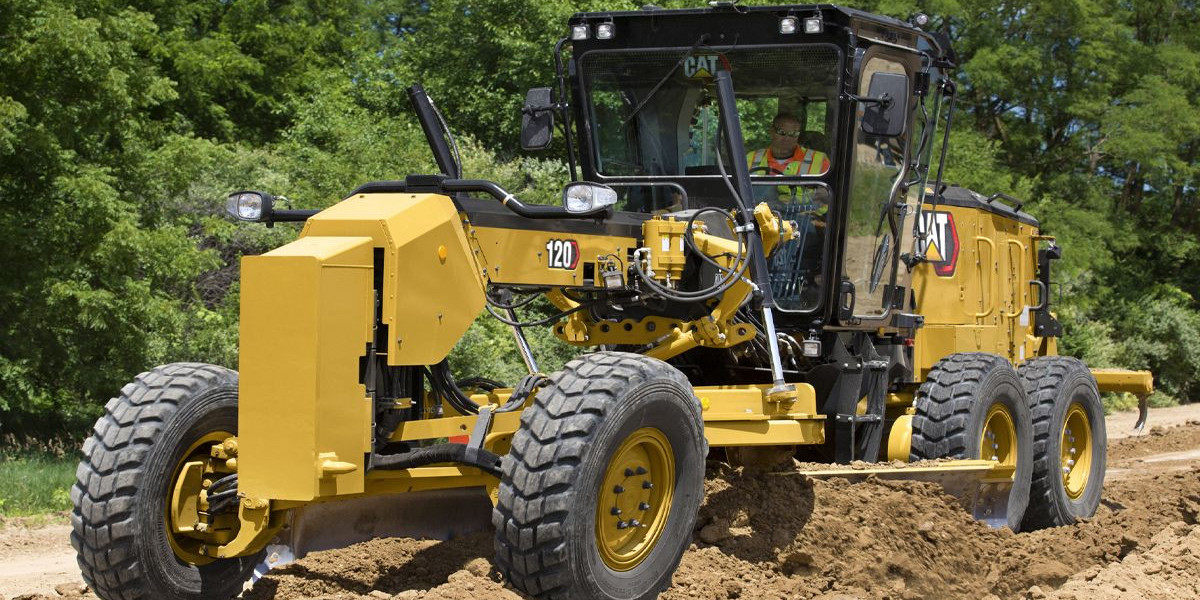
Consider the case of a 140-horsepower motor grader that is rented in City A and City B. Both machines are the same, yet one market could be experiencing a boom of highway expansion, and the other one could be in a low season. City A may also be more expensive in terms of transport, have fewer rental firms competing, or have more stringent laws on emissions. Those variations accumulate fast, and those differences are reflected in the final rental price.
How Contractors Can Make Smarter Rental Decisions
The contractors can save a lot by merely knowing the variables behind pricing. Pre-booking can be cheaper than last-minute renting, particularly in high seasons. It is also useful to query the rental reps on what will be available in the fleet in the future, or whether there is a local branch that will provide the machine at a cheaper rate.
During the off-season, the rental companies can be more willing to negotiate price, something which is not exploited by many contractors.
Unpacking Regional Rate Differences
The following time you encounter a drastic price variance of the same equipment in two different cities, keep in mind that it is hardly random. Regional demand, project cycles, population growth, transport logistics, competition, and regulations determine the final number. When you know these forces under the carpet, it becomes much easier to maneuver the construction equipment rental market, and it becomes much more economical.
FAQs
1. Why do rental prices spike during certain seasons?
A: Seasonal construction cycles increase demand. Most areas stay busiest during summer, while winter drives utility and municipal activity in colder regions.
2. Can booking equipment earlier reduce rental costs?
A: Yes. Pre-booking provides the rental companies with greater flexibility in their schedules and can also result in improved prices, particularly in the peak periods.
3. Why do some cities charge more for delivery and pickup?
A: The cost of transportation depends on the distance, the topography, the availability of trucking fleets, and the fuel prices in the region.
4. Is it cheaper to rent from smaller local rental companies?
A: Sometimes. Smaller companies can provide good rates, however, availability, fleet condition, and support services are also important.