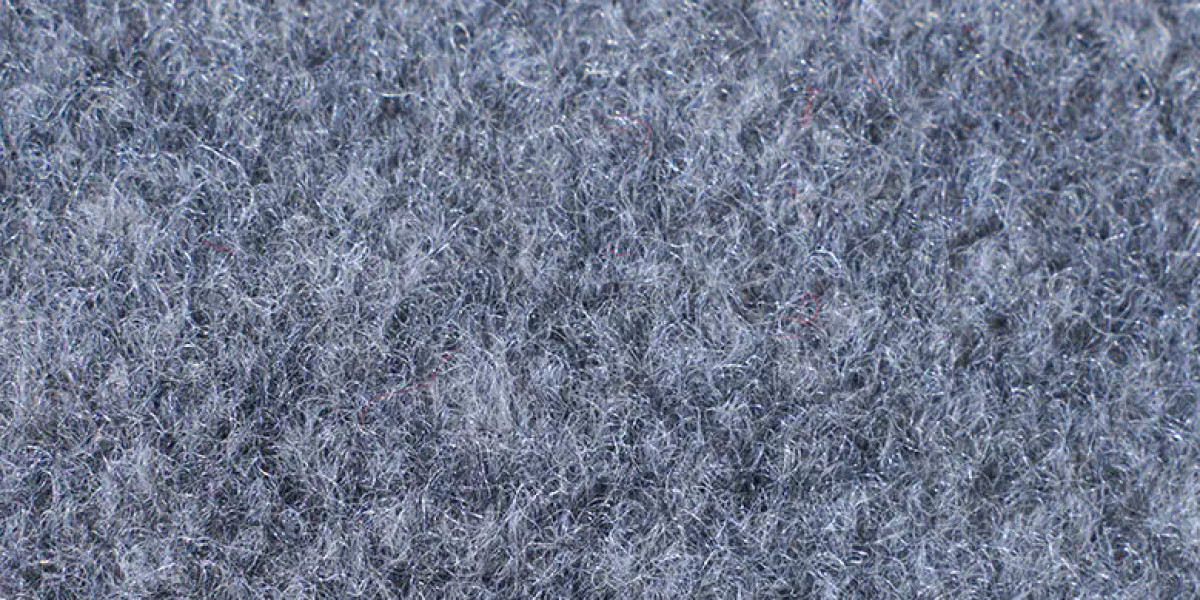

Water-Based Imitation Microfiber is gaining attention as manufacturers and designers look for material solutions that reduce solvent use while maintaining consistent surface performance. Produced through water-borne processes, this material offers a textile-like handfeel combined with engineered properties suitable for a wide range of finished goods.
In furniture and interior applications, Water-Based Imitation Microfiber is valued for its balanced texture and controlled porosity. Upholstery designers use it for seat covers, armrests, and decorative panels where uniform appearance and cleanability are important. The material’s ability to accept surface finishes allows it to resemble suede, chamois, or smooth leather without relying on traditional solvent-based systems.
Automotive interiors are another area where this material is frequently specified. Headliners, seating surfaces, and interior panels benefit from breathable structures and stable grain patterns. These characteristics help maintain visual consistency across large production runs, which is a key requirement in vehicle interior programs.
Beyond appearance-focused uses, the material performs well in functional layers. Cleaning and car-care cloths made from water-based imitation microfiber rely on controlled fiber density to achieve absorbency while remaining gentle on surfaces. Manufacturers adjust nap height and backing structures to balance capillary action with scratch safety.
Footwear and accessories also make use of the material’s thin and flexible profile. Linings, insoles, and small goods require materials that conform easily while retaining durability during repeated use. Designers often specify thickness ranges and finishing treatments to meet these needs.
From a sourcing perspective, buyers commonly request detailed technical sheets covering tensile strength, tear resistance, abrasion cycles, and thickness uniformity. Sample panels and documented test results help confirm suitability for specific applications.
Water-Based Imitation Microfiber continues to be positioned as a practical option for applications that require engineered surface appearance, adaptable processing, and reduced solvent reliance. Its combination of functional performance and design flexibility supports ongoing adoption across multiple product categories.