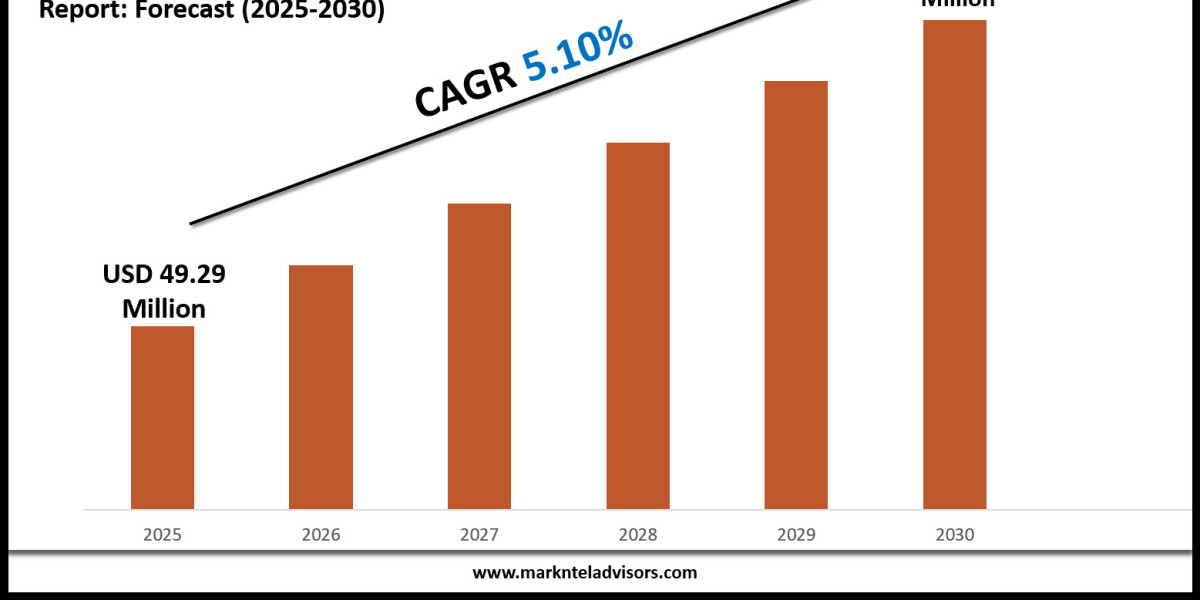
The virtual reality gamer community is expanding rapidly as immersive technologies redefine interactive experiences. With the rise of VR gaming industry innovations, players now enjoy highly realistic environments, seamless VR content monetization options, and advanced VR game development tools that enhance both gameplay and engagement. The evolution of commercial VR gaming continues to attract investors and developers, creating a dynamic and growing market for virtual reality enthusiasts.
Technological advancements in silicon carbide wafer manufacturers have contributed to the production of high-performance VR headsets, enabling smoother graphics, faster processing speeds, and immersive gameplay. Simultaneously, the integration of secure financial systems via the global fintech market ensures that virtual transactions, in-game purchases, and digital asset management are seamless and reliable for players worldwide.
The future of the VR gaming industry is set to thrive through innovative VR content, enhanced hardware performance, and the growing adoption of commercial applications in entertainment, training, and simulation. By creating interconnected ecosystems, developers are delivering richer, more personalized experiences to the modern virtual reality gamer.
Market Outlook
The virtual reality gamer segment is expected to see continuous growth, driven by technological innovation, rising consumer adoption, and investments in immersive gaming platforms. Emerging markets are increasingly contributing to this growth, thanks to expanding VR infrastructure and rising interest in interactive entertainment technologies.
Conclusion
The virtual reality gaming business is evolving rapidly, supported by advanced silicon carbide wafer manufacturers and secure global fintech market solutions. By blending hardware excellence, VR content innovation, and commercial viability, the industry ensures an exciting future for every virtual reality gamer.
FAQs
Q1: Who qualifies as a virtual reality gamer?
A virtual reality gamer is an individual who actively engages with immersive VR gaming platforms, experiences, and interactive content.
Q2: How do silicon carbide wafer manufacturers influence VR gaming hardware?
High-quality silicon carbide wafers enhance graphics processing, reduce latency, and improve VR headset performance for a smoother and more realistic gaming experience.
Q3: What are key trends in the VR gaming industry?
Key trends include VR content monetization, commercial VR gaming expansion, personalized VR experiences, and innovations in VR game development.
Meta Description (SEO optimized):
Discover how the virtual reality gamer segment is shaping the VR gaming industry. Explore VR game development, content monetization, commercial VR gaming, and the role of fintech and silicon carbide wafer manufacturers in enhancing immersive experiences.