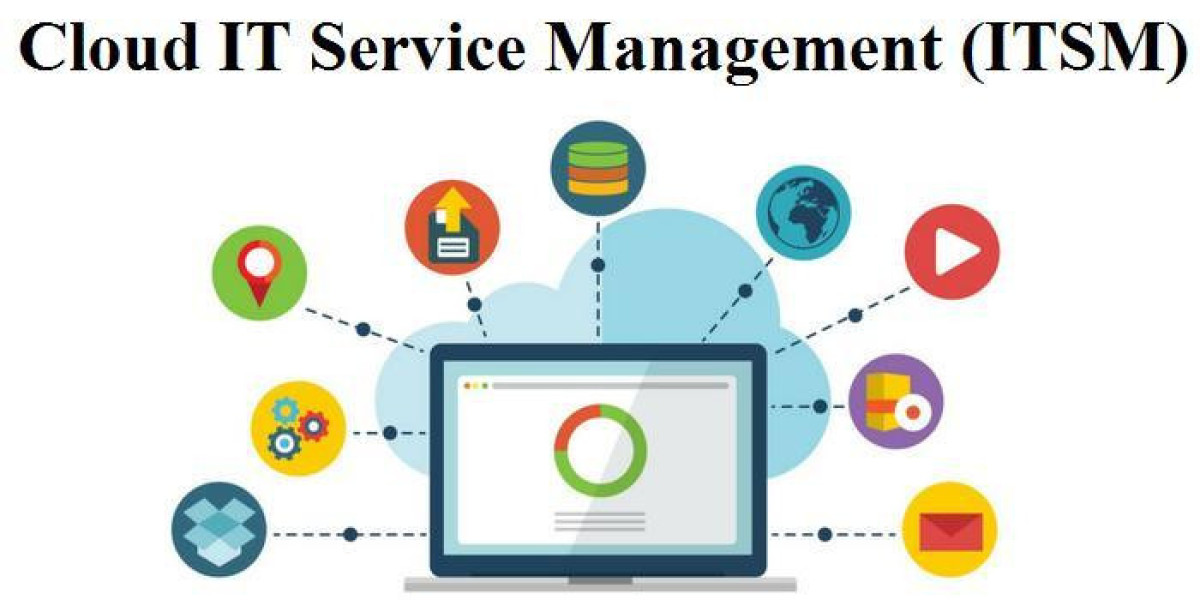

In the modern enterprise, the efficient management of IT services is no longer a back-office function but a critical driver of business performance and employee productivity. This is where the practice of Cloud ITSM (Information Technology Service Management) comes into play, representing a fundamental shift from traditional, on-premise solutions to agile, scalable, and accessible cloud-based platforms. Instead of housing complex ITSM software on local servers, organizations can now subscribe to these services via a SaaS (Software-as-a-Service) model. This move to the cloud democratizes access to powerful service management capabilities, enabling businesses of all sizes to streamline IT operations, automate workflows, and deliver exceptional service experiences to both employees and customers. It represents the evolution of IT support from a reactive cost center to a proactive, value-generating strategic partner for the entire organization.
At its core, Cloud ITSM is guided by the principles of frameworks like ITIL (Information Technology Infrastructure Library), which provide a set of best practices for delivering IT services. These practices are organized into key processes that form the heart of any ITSM solution. This includes Incident Management, which focuses on restoring normal service operation as quickly as possible after a disruption; Problem Management, which aims to identify and resolve the root cause of recurring incidents; and Change Management, which provides a structured process for managing changes to the IT environment to minimize risk. Other crucial components include Service Request Management for handling routine employee requests (like software access or new hardware) and a comprehensive Knowledge Base that empowers users with self-service options, reducing the burden on the IT service desk.
The primary advantages of adopting a cloud-based approach for ITSM are compelling and multifaceted. The most immediate benefit is a significantly lower total cost of ownership (TCO), as it eliminates the need for expensive on-premise hardware, software licenses, and the personnel required to maintain them. Cloud platforms offer inherent scalability, allowing organizations to easily adjust their usage based on demand without worrying about capacity planning. Furthermore, they provide unparalleled accessibility, enabling IT staff and end-users to access the service desk from any location with an internet connection—a critical capability for supporting today's remote and hybrid workforces. Automatic updates pushed by the vendor also ensure that the organization is always on the latest, most secure version of the software without any manual intervention.
Ultimately, the strategic importance of Cloud ITSM lies in its ability to align IT service delivery directly with business objectives. By automating routine tasks and providing a centralized platform for all IT-related activities, it frees up skilled IT professionals to focus on more strategic initiatives that drive innovation and growth. Robust reporting and analytics dashboards provide valuable insights into IT performance, helping leaders identify bottlenecks, track key performance indicators (KPIs), and make data-driven decisions to continuously improve service quality. In an era where the employee experience is paramount, a modern, efficient, and user-friendly Cloud ITSM platform becomes the central nervous system for the entire enterprise, ensuring that technology works seamlessly to support every employee's role and contribution to the business.
Top Trending Reports:
Augmented Reality and Virtual Reality Market