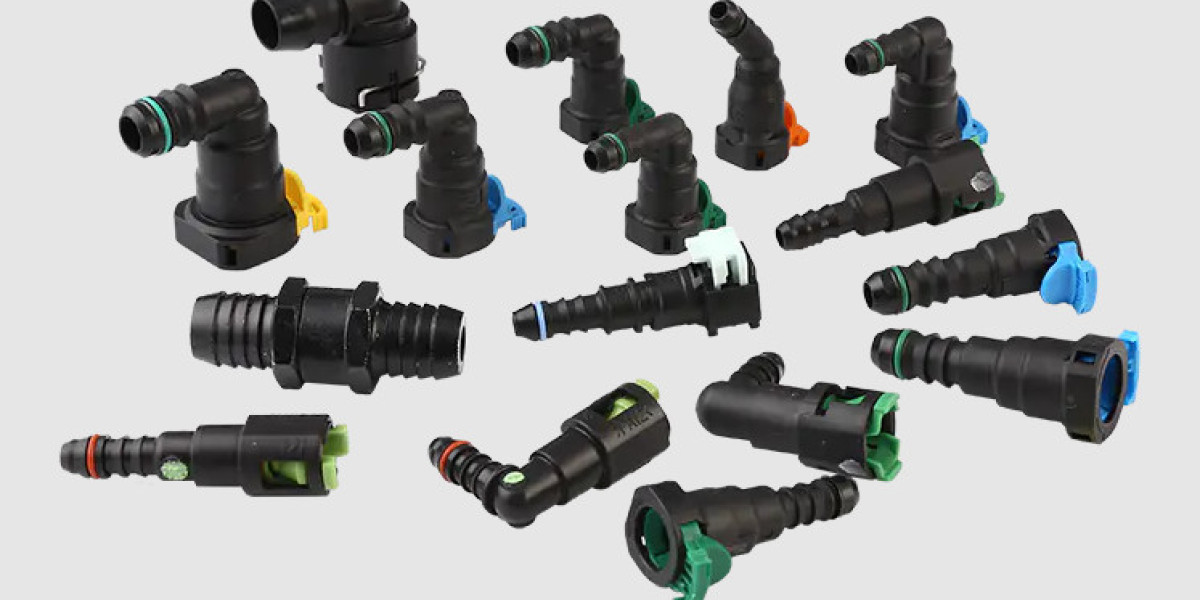

One topic that frequently pops up among vehicle DIYers and professionals alike is the set of issues surrounding auto fuel line fittings and how they affect vehicle performance and safety. Whether you’re working on a restoration project or routine maintenance, the fuel system deserves careful attention. A common concern discussed in community forums is how to recognize failing components before they become a dangerous problem.
A recurring question is: why do fuel fittings fail? Most failures are caused by wear and tear, corrosion, vibration, or improper installation. Over time, exposure to fuel additives and heat can degrade materials, especially in older vehicles that still use rubber hose sections. This degradation might look like cracking, softening, or brittleness and can lead to fuel leakage. Regular inspection of lines and connectors helps to catch these issues early.
Another frequent topic among hobbyists working on classic car fuel pipe fittings is choosing between keeping original parts or upgrading to newer materials. Many classic vehicle clubs note that original-style fittings may not handle modern fuel blends with ethanol very well. One user highlighted that the stock copper lines on vintage vehicles provided by original manufacturers often look great but might not deliver the reliability expected by today’s standards.
People also ask about installation techniques. It’s not enough to simply insert a fitting; you must ensure that the connection is sealed properly, and that clips, o-rings, or gaskets are seated correctly. Improper tightening can cause leaks or even disconnections during operation. Fuel systems operate under pressure, and a small leak can lower engine performance or create a fire hazard.
Finally, many users want to understand the difference between various fuel line connection types, such as quick-connect systems versus traditional threaded fittings. Modern quick-connect systems can be easier to install, but they still require precise engagement and often benefit from a secondary check after the engine is started.
Understanding these common concerns helps build confidence when working around any fuel system, whether on a vintage coupe or a modern commuter.