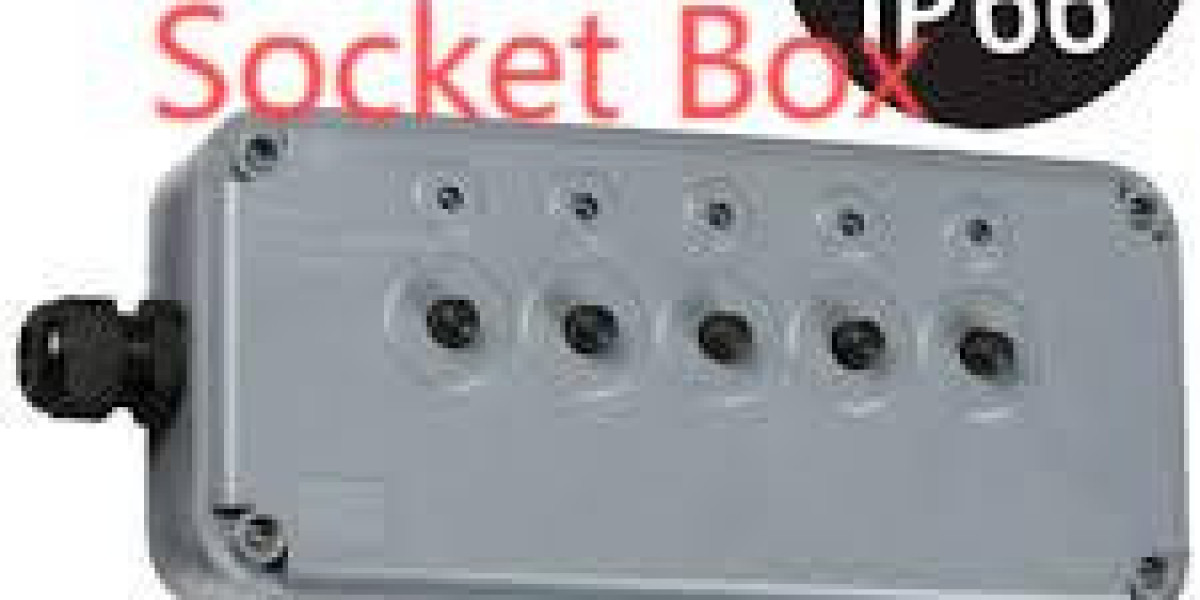

Choosing the right partner matters: evaluate how a Outdoor Socket Box Supplier demonstrates quality assurance, clear lead times, and responsive logistics before awarding any contract. In addition, insist that a Outdoor Socket Box Supplier provides verifiable testing, warranties, and accessible technical documentation so specifications translate into reliable installations.
Defining project needs and use cases
Begin by mapping precise requirements: expected load types, environmental exposure (rain, UV, salt), mounting locations, and service frequency. Understanding use cases narrows choices — units intended for temporary event power differ from permanently mounted street or park installations. Establish performance priorities early: ingress protection, tamper resistance, ease of maintenance, or modular expandability. These priorities guide material selection, mounting systems, and preferred accessory bundles.
Supplier capabilities and supply chain transparency
A capable supplier provides more than product catalogs; they disclose manufacturing locations, quality control measures, and capacity to scale. Ask about lead times for both standard units and custom orders, minimum order quantities, and contingency plans for supply disruptions. Suppliers that offer factory testing, batch traceability, and serialized components enable smoother recalls or part replacement years later. Evaluate their logistics partners and warehousing — reliable staging and drop-shipping options reduce on-site delays.
Product quality: standards, testing, and documentation
Insist on documented proof: ingress-protection (IP) ratings, impact resistance tests, material certificates, and third-party safety approvals. Request test reports for UV aging, salt spray, and thermal cycling if installations will face harsh climates. A detailed datasheet should include mounting instructions, cutout dimensions, and permitted cable entry methods. Where possible, request sample units for hands-on evaluation of gasketing, lock mechanisms, and finish durability; physical inspection often reveals quality differences that specs alone miss.
Installation, customization, and field support
Ease of installation affects total cost of ownership. Look for features like removable mounting plates, pre-cut gland plates, and keyed lock options that match local security needs. Suppliers that provide pre-assembled interiors or on-site field support can significantly shorten commissioning times. For large projects, negotiate factory pre-assembly of wiring harnesses or standardized interior layouts to ensure consistency across sites and reduce installation errors.
Nante Product Certification and After-Sales Service
When assessing vendors, factor in after-sales commitments: availability of spare gaskets, fasteners, and a clear warranty process reduces downtime. Confirm whether the supplier maintains replacement part stocks and offers technical support channels for electricians and site technicians. A supplier that publishes clear maintenance guidance and troubleshooting checklists helps field crews perform consistent inspections and repairs.
Pricing models, warranties, and lifecycle cost
Lowest upfront price rarely equals lowest lifecycle cost. Compare warranty lengths, what they cover, and whether warranty labor is included. Factor in spare parts availability, expected maintenance intervals, and potential retrofit costs for monitoring or upgrades. For recurring deployments, volume discounts and framework agreements can lock in preferred pricing and materials over multiple phases.
Environmental and regulatory compliance
Confirm that units meet applicable regional standards and local installation codes. In some jurisdictions, restrictions dictate mounting height, grounding methods, or tamper protection levels. For international projects, request conformity declarations and ensure that marking and documentation are suitable for local inspectors. Proper compliance short-circuits bureaucratic delays and avoids costly rework.
Choosing long-term partners and scaling strategies
Selecting a supplier is as much about relationship as product. Favor vendors with proven track records on similar projects, transparent testing, and a willingness to collaborate on customizations. Where rollouts are phased, standardize on a single family of products to simplify spare parts, training, and maintenance protocols. Plan for obsolescence by securing drawings, part numbers, and alternative sourcing options.
Careful vendor selection — grounded in realistic use cases, documented testing, clear logistics, and solid after-sales support — minimizes surprises during deployment and operation. By prioritizing lifecycle costs and supplier transparency over short-term savings, project managers can secure resilient installations that serve reliably for years. For an in-depth industry overview and product examples, see https://www.nante.com/news/industry-news/what-is-an-outdoor-socket-box.html