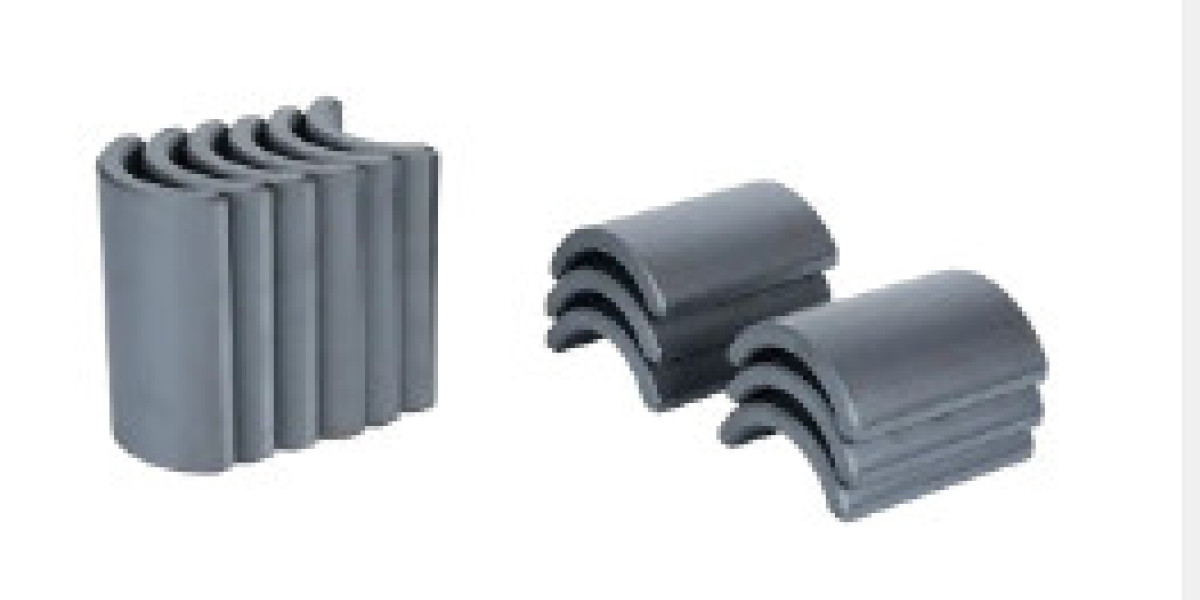

Household appliances magnetic tiles are commonly integrated into motors used in everyday home devices, including washing machines, refrigerators, and vacuum cleaners. These components generate controlled magnetic fields that help manage torque distribution and rotational behavior. By supporting stable motor operation, household appliances magnetic tiles contribute to predictable performance patterns that align with normal household usage conditions.
In many appliances, motors operate under changing loads and speeds. Magnetic tiles help maintain balance by influencing how magnetic forces interact within the motor. This contributes to more consistent rotational speed and reduced fluctuation in energy draw. Measurements under standard household conditions suggest that appliances using these tiles can show lower variation in electrical consumption, which is relevant for long-term energy monitoring.
The adoption of neodymium-based materials has allowed appliance motors to become more compact. By using magnetic tiles made from NdFeB materials, manufacturers can reduce motor volume while maintaining comparable magnetic behavior. This compact design is particularly useful in appliances such as variable-speed washing machines and air conditioners, where space efficiency and stable output are both important considerations.
Another observed effect of household appliances magnetic tiles is reduced vibration during operation. Lower vibration amplitude contributes to quieter appliances and may reduce mechanical stress on internal components. In vacuum cleaners and kitchen appliances, this can result in smoother operation across repeated use cycles, supporting consistent suction or rotational motion over time.
Durability is also an important aspect. Laboratory testing shows that motors equipped with magnetic tiles can maintain operational stability over a higher number of cycles compared with traditional motor designs. This aligns with consumer expectations for reliable appliance behavior, especially in devices used frequently throughout the week.
In conclusion, household appliances magnetic tiles support stable motor behavior, consistent energy use, and controlled vibration levels. Their integration into everyday devices reflects a practical approach to achieving predictable performance and long-term reliability in modern home appliances.