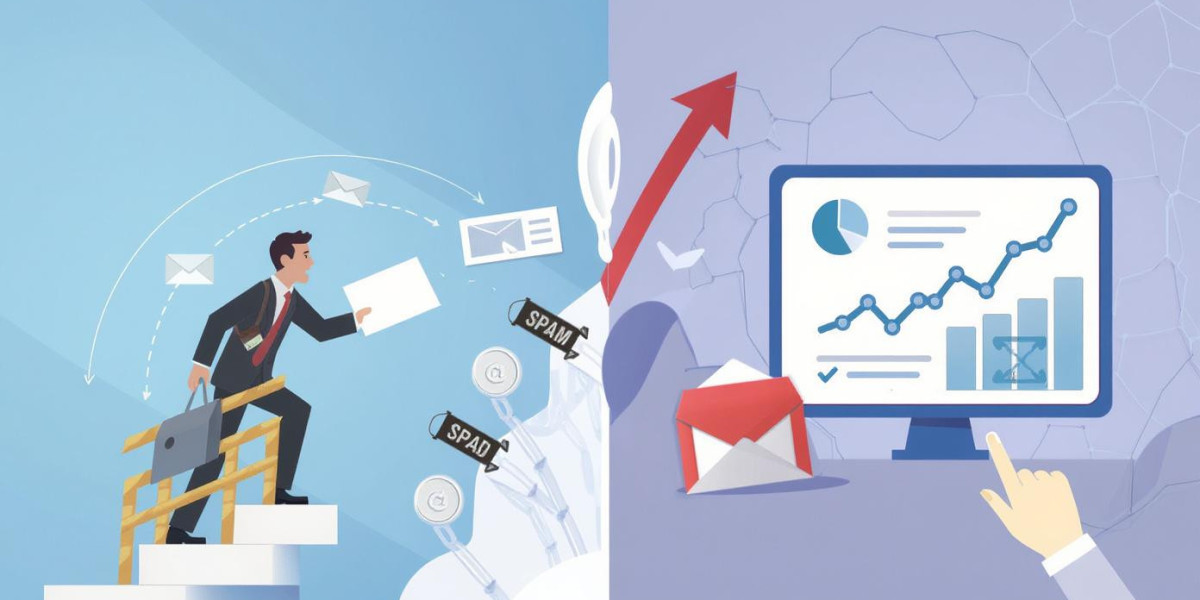

Email marketing has long been a cornerstone of digital strategies for businesses of all sizes. Its ability to directly reach potential and existing customers makes it an attractive option for generating leads, nurturing relationships, and promoting products or services. However, despite its popularity and potential for high ROI, email marketing comes with limitations that many businesses underestimate. Understanding these constraints can help companies design more effective campaigns and avoid wasted effort, ensuring that their strategies lead to tangible results. For businesses looking to gain a comprehensive understanding of these challenges, Email Marketing Limitations for Businesses provides a detailed guide.
Deliverability Challenges Can Limit Reach
One of the first hurdles businesses face in email marketing is deliverability. Deliverability refers to the ability of emails to reach subscribers’ inboxes instead of landing in spam or being blocked entirely. Factors such as server restrictions, spam filters, and sender reputation play a critical role in this process. Even if an email technically reaches an inbox, there is no guarantee that the recipient will notice or open it. Poorly formatted emails, excessive use of promotional language, or sending to inactive email addresses can all reduce the chances of successful delivery.
To combat these issues, companies must maintain clean email lists, segment their audiences effectively, and adhere to industry best practices. Regularly monitoring sender scores and feedback loops helps identify deliverability issues early. Businesses that ignore this limitation may invest significant resources into campaigns that never reach their intended audience, ultimately lowering ROI.
Audience Overload and Engagement Fatigue
Another limitation often overlooked is the problem of audience overload. Consumers today receive hundreds of emails daily from brands, newsletters, promotions, and personal contacts. Sending too many emails or failing to provide relevant content can result in audience fatigue. This often leads to lower open rates, fewer clicks, and an increase in unsubscribes.
Businesses must strike a balance between maintaining brand visibility and respecting the attention span of their audience. This requires careful planning of email frequency, timing, and content. Segmenting lists based on user behavior, purchase history, and engagement levels allows marketers to send highly relevant messages, reducing the risk of fatigue. Understanding the audience’s preferences through surveys or feedback mechanisms can also help craft messages that resonate, increasing the likelihood of engagement.
Limited Personalization Options
Personalization is often touted as a major advantage of email marketing, but its capabilities are sometimes overestimated. Most platforms allow for basic personalization, such as inserting a recipient’s name or referencing a recent purchase. However, true personalization that delivers content tailored to the individual’s needs, interests, and behavior requires deeper insights and advanced data analytics.
Many businesses struggle to collect and interpret the data necessary for high-level personalization. Without this, emails can appear generic and fail to create meaningful connections with recipients. Advanced personalization may also require specialized software, additional resources, and expertise, which can be prohibitive for smaller organizations. Without these efforts, campaigns may underperform, highlighting a significant limitation in using email marketing as a one-size-fits-all solution.
Misleading Metrics and Analytics
Email marketing platforms provide businesses with an array of metrics, including open rates, click-through rates, bounce rates, and conversion metrics. While these statistics are helpful, they can also be misleading if interpreted in isolation. For example, a high open rate does not necessarily indicate that recipients read or engaged with the content meaningfully. Similarly, low click-through rates may result from poorly designed calls-to-action rather than a lack of interest in the product or service.
To overcome this limitation, businesses should integrate email marketing metrics with other data sources such as website analytics, CRM systems, and sales data. This holistic approach provides a clearer picture of the campaign’s true effectiveness and long-term impact on customer relationships. By combining data points, companies can make informed adjustments to improve future campaigns.
Compliance and Legal Restrictions
Email marketing is subject to a variety of regulations and legal requirements, including GDPR in Europe, CAN-SPAM in the United States, and other regional privacy laws. Compliance with these regulations is not optional—failure to adhere can result in significant fines, reputational damage, and loss of customer trust.
These rules often restrict how businesses collect, store, and use subscriber data, limiting the scope of campaigns. For example, explicit consent may be required before sending marketing emails, and businesses must provide a simple way for users to unsubscribe. While these laws protect consumers, they also create limitations for marketers trying to maximize their reach and personalization efforts. Companies must stay informed about evolving legal requirements and adapt their strategies accordingly.
Design and Compatibility Issues
Another limitation is related to email design and compatibility. Emails must display correctly across various devices, email clients, and screen sizes. A design that looks perfect in one client may break in another, causing images to distort, links to fail, or layouts to appear unprofessional. Poorly rendered emails can frustrate recipients and reduce engagement, undermining campaign effectiveness.
Testing emails across multiple platforms and devices is essential to ensure a consistent user experience. This often requires additional time, resources, and technical expertise, which can be a barrier for smaller teams or companies with limited budgets. Despite these challenges, consistent testing and optimization are necessary to maintain brand credibility and achieve desired outcomes.
Spam and Blacklist Risks
Businesses also face the risk of being flagged as spam or ending up on blacklists. High-volume sending, poor-quality content, or unverified email addresses can cause email service providers to block future messages. Once blacklisted, even legitimate emails may fail to reach recipients’ inboxes, significantly reducing campaign effectiveness.
Maintaining a clean email list, authentic content, and consistent sending patterns is crucial to prevent these issues. Monitoring blacklists and staying up-to-date on email deliverability best practices can help businesses avoid long-term damage to their email reputation.
Resource Constraints and Skill Gaps
Effective email marketing requires a combination of strategic planning, creative design, technical expertise, and ongoing analysis. Many businesses, especially small and medium-sized enterprises, may lack the resources to manage all these aspects efficiently. Teams without sufficient training or experience may struggle to create campaigns that resonate with audiences, resulting in wasted time and effort.
Investing in skilled personnel, marketing automation tools, or external agencies can help overcome this limitation. However, these solutions may be costly, posing another barrier for smaller businesses trying to maximize email marketing ROI.
Measuring Long-Term Impact
Finally, email marketing faces limitations in measuring its long-term impact on customer loyalty, brand perception, and lifetime value. Immediate metrics such as opens and clicks are easy to track, but understanding how campaigns influence long-term behavior is more complex. Connecting email performance to sales, repeat purchases, and customer engagement requires integration with other data systems and long-term analysis.
Without this perspective, businesses may overestimate the success of their campaigns or fail to identify areas for improvement. Developing a framework to track long-term outcomes allows companies to refine strategies, optimize messaging, and maximize overall value from email marketing efforts.
Despite these limitations, email marketing remains a powerful tool for businesses that approach it strategically. By understanding the challenges of deliverability, personalization, analytics, compliance, and resource allocation, companies can design campaigns that overcome obstacles and achieve measurable results. Awareness of these limitations allows businesses to create more meaningful connections with their audience and ensure that their email marketing efforts contribute to sustainable growth.
LeadSkope is a comprehensive, AI‑powered lead-generation platform designed to help businesses grow by capturing, enriching, and engaging with high-quality prospects. With a suite of powerful tools, LeadSkope empowers sales and marketing teams to scale their outreach and drive conversions efficiently.